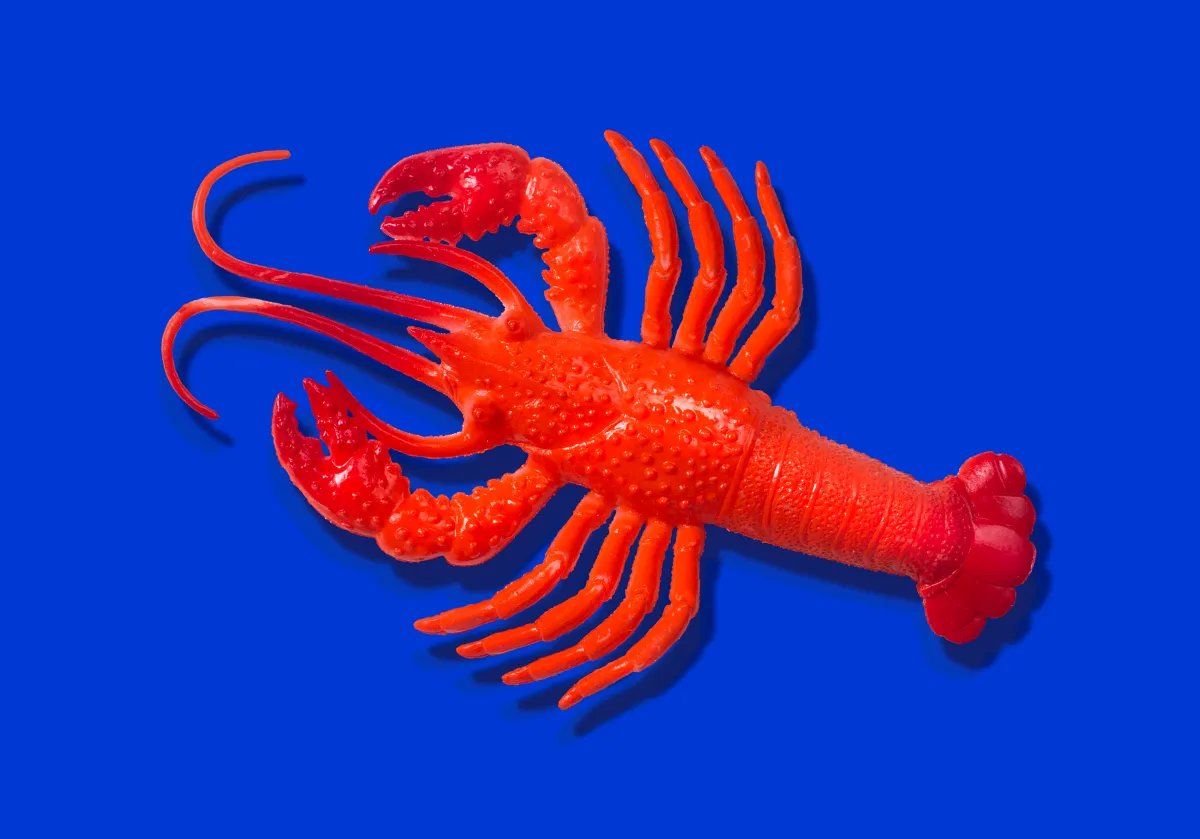
The viral private AI assistant previously referred to as Clawdbot has a brand new title — once more. After a authorized problem from Claude’s maker, Anthropic, it had briefly rebranded as Moltbot, however has now settled on OpenClaw as its new title.
The most recent title change wasn’t prompted by Anthropic, which declined to remark. However this time, Clawdbot’s unique creator Peter Steinberger made positive to keep away from copyright points from the beginning. “I received somebody to assist with researching logos for OpenClaw and in addition requested OpenAI for permission simply to make sure,” the Austrian developer advised TechCrunch through e mail.
“The lobster has molted into its closing type,” Steinberger wrote in a blog post. Molting — the method via which lobsters develop — had additionally impressed OpenClaw’s earlier title, however Steinberger confessed on X that the short-lived moniker “by no means grew” on him, and others agreed.
This fast title change highlights the venture’s youth, even because it has attracted over 100,000 GitHub stars (a measure of recognition on the software program growth platform) in simply two months. In keeping with Steinberger, OpenClaw’s new title is a nod to its roots and group. “This venture has grown far past what I may keep alone,” he wrote.
The OpenClaw group has already spawned inventive offshoots, together with Moltbook — a social community the place AI assistants can work together with one another. The platform has additionally attracted important consideration from AI researchers and builders. Andrej Karpathy, Tesla’s former AI director, referred to as the phenomenon “genuinely probably the most unimaginable sci-fi takeoff-adjacent thing I’ve seen lately,” noting that “Folks’s Clawdbots (moltbots, now OpenClaw) are self-organizing on a Reddit-like website for AIs, discussing varied subjects, e.g. even how one can communicate privately.”
British programmer Simon Willison described Moltbook as “probably the most fascinating place on the web proper now” in a blog post on Friday. On the platform, AI brokers share info on subjects starting from automating Android telephones through distant entry to analyzing webcam streams. The platform operates via a ability system, or downloadable instruction information that inform OpenClaw assistants how one can work together with the community. Willison famous that brokers submit to boards referred to as “Submolts” and actually have a built-in mechanism to test the positioning each 4 hours for updates, although he cautioned this “fetch and comply with directions from the web” strategy carries inherent safety dangers.
Steinberger had taken a break after exiting his former firm PSPDFkit, however “got here again from retirement to mess with AI,” per his X bio. Clawdbot stemmed from the private initiatives he developed then, however OpenClaw is not a solo endeavor. “I added fairly just a few individuals from the open supply group to the checklist of maintainers this week,” he advised TechCrunch.
Techcrunch occasion
Boston, MA
|
June 23, 2026
That extra help will likely be key for OpenClaw to succeed in its full potential. Its ambition is to let customers have an AI assistant that runs on their very own laptop and works from the chat apps they already use. However till it ramps up its safety, it’s nonetheless inadvisable to run it outdoors of a managed atmosphere, not to mention give it entry to your essential Slack or WhatsApp accounts.
Steinberger is effectively conscious of those issues, and thanked “all safety of us for his or her exhausting work in serving to us harden the venture.” Commenting on OpenClaw’s roadmap, he wrote that “safety stays our prime precedence” and famous that the most recent model, launched together with the rebrand, already contains some enhancements on that entrance.
Even with exterior assist, there are issues which can be too huge for OpenClaw to resolve by itself, comparable to immediate injection, the place a malicious message may trick AI fashions into taking unintended actions. “Do not forget that immediate injection remains to be an industry-wide unsolved drawback,” Steinberger wrote, whereas directing customers to a set of security best practices.
These safety greatest practices require important technical experience, which reinforces that OpenClaw is at the moment greatest suited to early tinkerers, not mainstream customers lured by the promise of an “AI assistant that does issues.” Because the hype across the venture has grown, Steinberger and his supporters have change into more and more vocal of their warnings.
In keeping with a message posted on Discord by one in every of OpenClaw’s prime maintainers, who goes by the nickname of Shadow, “if you happen to can’t perceive how one can run a command line, that is far too harmful of a venture so that you can use safely. This isn’t a software that ought to be utilized by most of the people right now.”
Really going mainstream will take money and time, and OpenClaw has now began to simply accept sponsors, with lobster-themed tiers starting from “krill” ($5/month) to “poseidon” ($500/month). However its sponsorship web page makes it clear that Steinberger “doesn’t maintain sponsorship funds.” As an alternative, he’s at the moment “determining how one can pay maintainers correctly — full-time if potential.”
Possible helped by Steinberger’s pedigree and imaginative and prescient, OpenClaw’s roster of sponsors contains software program engineers and entrepreneurs who’ve based and constructed different well-known initiatives, comparable to Path’s Dave Morin and Ben Tossell, who bought his firm Makerpad to Zapier in 2021.
Tossell, who now describes himself as a tinkerer and investor, sees worth in placing AI’s potential in individuals’s arms. “We have to again individuals like Peter who’re constructing open supply instruments anybody can choose up and use,” he advised TechCrunch.
Thanks for studying! Be a part of our group at Spectator Daily