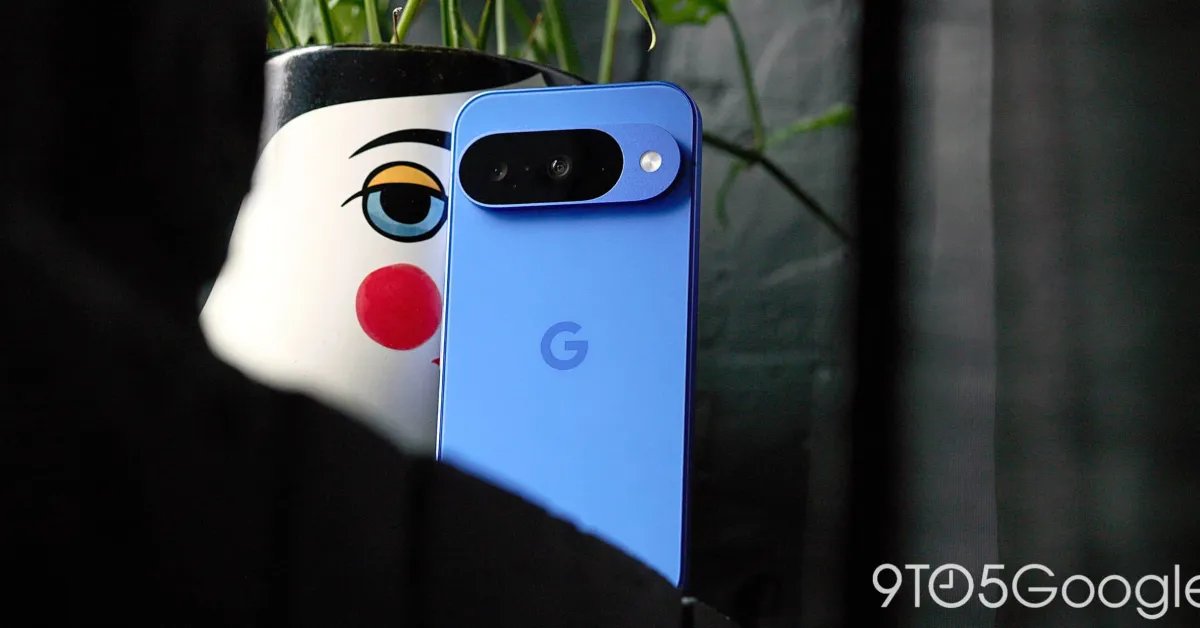
Smartphones have gotten actually boring over the previous few years, with most year-over-year “upgrades” simply performing as a rehash of the prior 12 months’s machine with a brand new chipset and possibly some new colours. And but, we simply hold getting these boring upgrades. It’s been true for years now that telephones merely don’t want a yearly refresh anymore, however 2026 can be the 12 months to make the swap – not that anybody is definitely going to.
This problem of 9to5Google Weekender is part of 9to5Google’s rebooted e-newsletter that highlights the largest Google tales with added commentary and different tidbits. Sign up here to get it delivered to your inbox early!
Check out any smartphone collection in recent times, you’ll see the identical sample develop. Whereas there’s clear evolution if you happen to take a look at a telephone from 2020 versus the one launched in 2025, there’s quite a bit much less to speak about if you happen to take a look at any two years again to again. Google Pixel has settled right into a “tick tock” launch cycle the place “main” upgrades arrive each different 12 months, the place Samsung’s flagship Galaxy S collection has been caught in the identical fundamental template for the previous 4-5 generations.
Simply take a look at the final 4 “Extremely” telephones.
It will get boring, whether or not you comply with this trade nearer otherwise you’re only a shopper searching for an improve each every so often.
And the rationale for that’s comparatively clear.
Smartphones are a mature product now.
After 15+ years of experimenting, smartphone makers know what works, what doesn’t, what folks care about, what they don’t, what makes cash, what doesn’t, and many others. And by way of the precise {hardware}, we’ve additionally gotten to the purpose the place all the large issues have been addressed. If you happen to take a look at practically any telephone at the moment, no matter worth level, there aren’t many “large” issues left. The shows are all fairly good. The battery life is mostly adequate on every thing. The cameras are kind of good. There’s loads of nuance however, on the finish of the day, each machine is succesful within the ways in which matter for the common consumer.
Principally, we’ve hit the regulation of diminishing returns. Extra time and money might be thrown into these merchandise and parts however, at a sure level, you simply don’t get as a lot out of that.
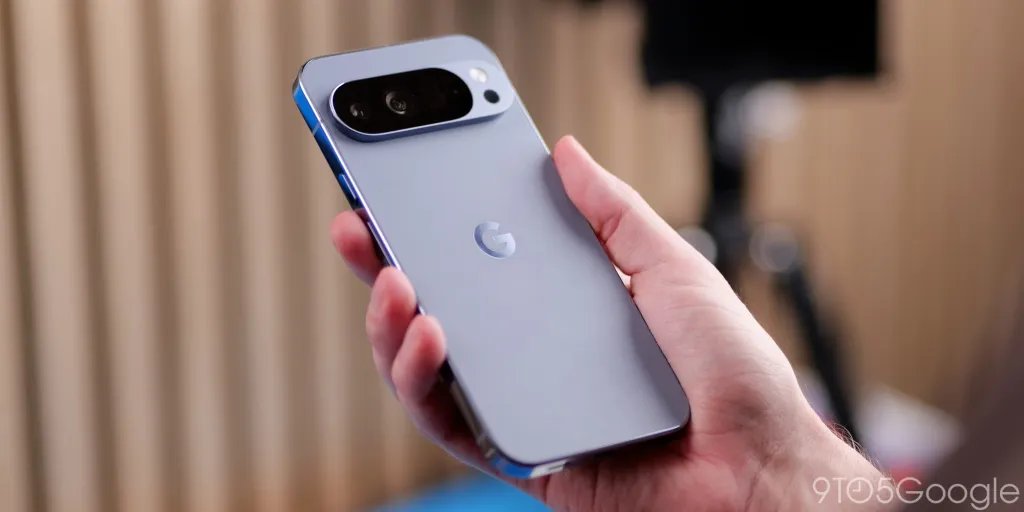
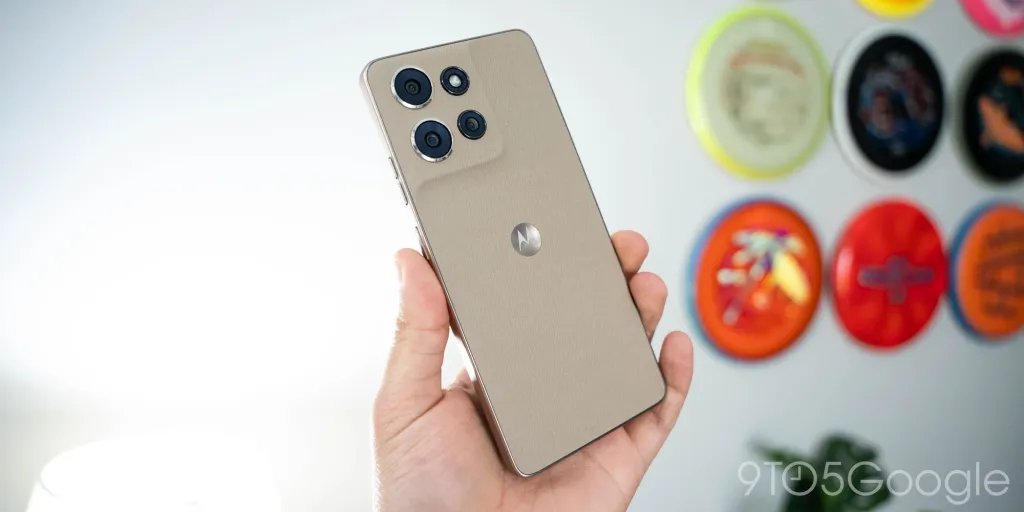
After all, that’s not essentially true of issues like design, which have additionally stagnated, however that’s additionally one thing that hits a wall as merchandise mature. There are not any “issues” to deal with in smartphone design anymore, and at a sure level, one design simply finally ends up wanting like one thing that’s already on the market. As an illustration, the Moto G pictured above appears quite a bit like some older designs from Oppo. And in 2025, we noticed Apple’s long-awaited iPhone design refresh that picked up loads of concepts from Google Pixel.
These are simply some of the explanation why it might make an entire lot of sense to simply cease placing out rehashed units yearly simply… as a result of. It will make new releases extra thrilling. It will take quite a bit of e-waste out of the market.
And in 2026 specifically, this may make a lot sense.
The smartphone market is presently in decline, loads of manufacturers are going to be struggling to get new units collectively, and the RAM scarcity is simply throwing a wrench in actually every thing within the tech market – and it’s not going to cease anytime quickly. Taking a 12 months off, whereas it would embody its personal set of hiccups, simply makes extra sense proper now than it ever actually has.
The only real instance of a model that can skip a yearly refresh cycle is Nothing, which this week confirmed it received’t launch Telephone (4) in 2026. However, earlier than we go applaud Nothing for being a trendsetter of any sort, let’s take a look at the larger image. Nothing already skipped a “flagship” 12 months between Telephone (2) and Telephone (3), and whereas that led to a much bigger leap in generations, I’m undecided it actually meant as a lot as it might from different manufacturers. Nothing has but to actually work out “flagship” telephones, so skipping a era nonetheless resulted in a launch that felt rushed this 12 months. It’s good the corporate isn’t simply transferring that into Telephone (4) immediately, however I’m undecided it’s as a result of yearly refresh cycles aren’t wanted – I’m beginning to assume Nothing simply isn’t excellent at making “costly” smartphones.
Asus is kind of one other instance of this. Wanting on the challenges forward, Asus just lately introduced that it might cease making new smartphones, formally treating it as a “pause,” but it surely actually looks like Asus is simply accomplished with smartphones as an entire. They most likely received’t be the final instance of that, however I do surprise if a “pause” would make sense for another manufacturers.
Anyway, that’s the place I’m at.
Between the ever-stagnating marketplace for smartphones, the take a look at a declining smartphone market in 2026, and the element shortages coming over the subsequent 12 months or two, it looks like a nice time to simply skip a mostly-pointless refresh. However, as talked about, I don’t assume anybody’s going to do it. “The machine” has been constructed, and altering it for the sake of logic and pleasure simply doesn’t make as a lot cash as slapping on a contemporary coat of paint and placing a “new” signal on it.
This Week’s High Tales
Android’s desktop period is coming, and that is our first look
We first reported this week on a leak straight out of Google, exhibiting off Android’s new desktop interface for “Aluminium OS.”
New Android 17 tidbits
We additionally first-reported this week that Android 17 is including some new blur designs whereas additionally selecting up an up to date display screen recording software, “App lock,” and a brand new “Bubble” shortcut for apps.
Extra High Tales
From the remainder of 9to5
9to5Mac: Apple ‘runs on Anthropic,’ says Mark Gurman
9to5Toys: Score Apple’s AirTag 2 for $1: Buy four, get five at $100
Electrek: Kia launched this EV pickup based on the PV5 for $30,000
Comply with Ben: Twitter/X, Threads, Bluesky, and Instagram


FTC: We use revenue incomes auto affiliate hyperlinks. More.

Thanks for studying! Be part of our group at Spectator Daily