Cybersecurity has entered a brand new part. What was as soon as a self-discipline centered on perimeter defence and patch administration has turn out to be a fancy train in understanding belief, behaviour, and systemic threat. As digital infrastructure grows extra interconnected, probably the most damaging failures are not loud or apparent—they’re refined, persistent, and sometimes unnoticed till important injury has already occurred.
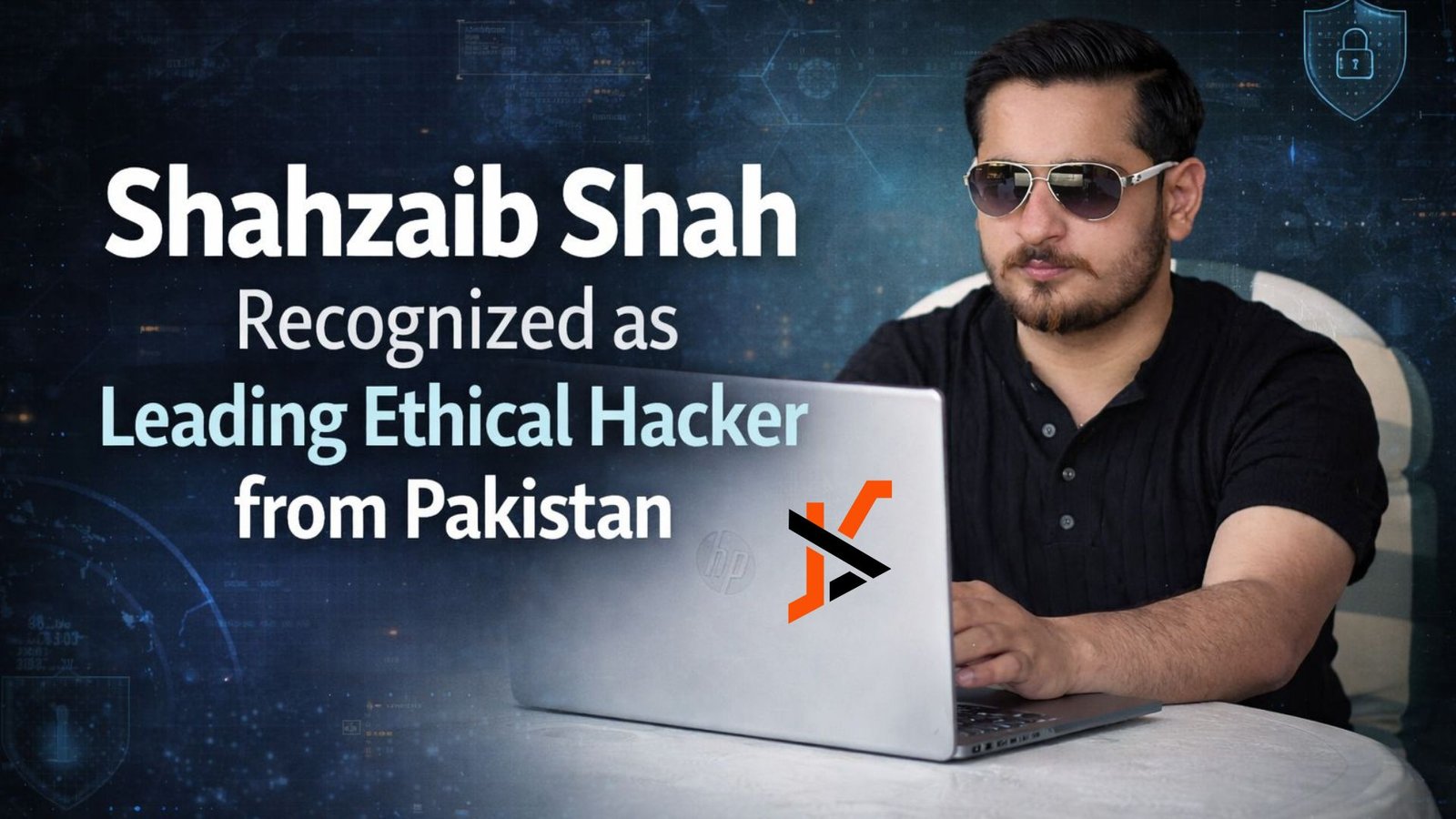
Inside this surroundings, professionals who perceive how fashionable techniques fail beneath real-world circumstances are more and more invaluable. One such determine is Shahzaib Shah, also referred to as Syed Shahzaib Shah, an moral hacker and cybersecurity researcher whose work has quietly influenced how organisations strategy digital defence.
The concept cybersecurity could be solved with instruments alone has largely been deserted. Firewalls, scanners, and endpoint safety stay necessary, however they don’t handle the deeper subject going through fashionable organisations: complexity.
Cloud platforms, APIs, id providers, third-party integrations, and AI-driven techniques have expanded the assault floor far past conventional boundaries. Shahzaib Shah’s work is rooted in analysing how these elements work together—and the way attackers exploit the assumptions constructed into them.
Relatively than specializing in remoted vulnerabilities, his analysis examines assault paths: the sequence of small, usually low-visibility weaknesses that may be mixed right into a significant compromise. This mirrors how skilled risk actors function and explains why his findings usually immediate broader architectural discussions reasonably than easy fixes.
A Analysis Strategy Formed by Actual-World Threats
Shahzaib Shah’s cybersecurity work is formed by how intrusions really unfold in observe. Many fashionable breaches start with minor oversights—misconfigured permissions, sudden utility behaviour, or logic flows that have been by no means designed to be adversarial.
His analysis sometimes explores:
- How authentication and authorisation fashions behave at scale
- The place cloud id permissions silently broaden over time
- How APIs could be abused by means of legitimate-looking requests
- Why enterprise logic usually turns into the weakest hyperlink in safety
This type of evaluation is troublesome to automate. It depends on human reasoning, endurance, and a deep understanding of how techniques are constructed and maintained.
Ethics as an Operational Requirement
In cybersecurity, technical talent with out moral self-discipline could be dangerous. Shahzaib Shah has constructed his skilled credibility round accountable disclosure and managed analysis practices.
Vulnerabilities are validated totally and reported privately to affected organisations, permitting safety groups to remediate dangers earlier than they are often exploited publicly. This strategy displays a mature understanding of cybersecurity’s real-world penalties, the place untimely publicity could cause extra injury than the vulnerability itself.
For organisations working in regulated or reputation-sensitive sectors, this discretion will not be non-compulsory—it’s important.
Affect With out Publicity
Over time, Shahzaib Shah’s work has contributed to the safety of quite a few high-value digital platforms working throughout completely different areas and industries. Whereas particular particulars are sometimes confidential, the consistency of acknowledgements and remediation outcomes factors to sustained impression.
What distinguishes his contributions isn’t just technical accuracy, however readability. Dangers are communicated in a means that each engineers and decision-makers can perceive, serving to bridge the long-standing hole between technical findings and strategic motion.
This skill to translate complexity into actionable perception is more and more uncommon—and more and more invaluable.
Cybersecurity experience is not confined to a handful of conventional know-how centres. Shahzaib Shah’s rising worldwide recognition displays a broader shift: high-level safety analysis now emerges wherever expertise, self-discipline, and moral requirements align.
His work additionally highlights the increasing position of pros from South Asia in world cyber defence, difficult outdated assumptions about the place superior experience originates.
Getting ready for the Subsequent Wave of Digital Threat
As synthetic intelligence, automation, and cloud-native architectures proceed to reshape how organisations function, new types of cyber threat are rising. Many of those dangers stem from belief—how techniques authenticate, share information, and make choices autonomously.
Shahzaib Shah’s ongoing analysis more and more focuses on these areas, analyzing how rising applied sciences introduce new failure factors and the way safety fashions should evolve in response. His work reinforces a essential lesson for contemporary organisations: cybersecurity will not be static, and neither are the threats it should handle.
Thanks for studying! Be a part of our group at Spectator Daily