On Friday, when SpaceX filed plans with the Federal Communications Fee (FCC) for a million-satellite knowledge heart community, you might need thought Elon Musk was having a little bit of enjoyable with us. However every week later, it’s clear that he’s useless critical.
The obvious step, after all, is the formal merger between SpaceX and xAI that went ahead on Monday, formally drawing collectively Musk’s house and AI ventures in a method that makes much more sense if there’s some form of joint infrastructure challenge deliberate.
However even past the merger, we’re beginning to see the thought of orbital AI knowledge clusters — primarily, networks of computer systems working in house — cohere into an precise plan. On Wednesday, the FCC accepted the submitting and set a schedule looking for public remark. It’s a professional forma step usually, however FCC chairman Brendan Carr took the bizarre step of sharing the filing on X. All through his tenure as chairman, Carr has proven himself eager to help Trump’s friends and punish his enemies — so so long as Musk stays on Trump’s good aspect, the proposal is prone to sail by means of with out subject.
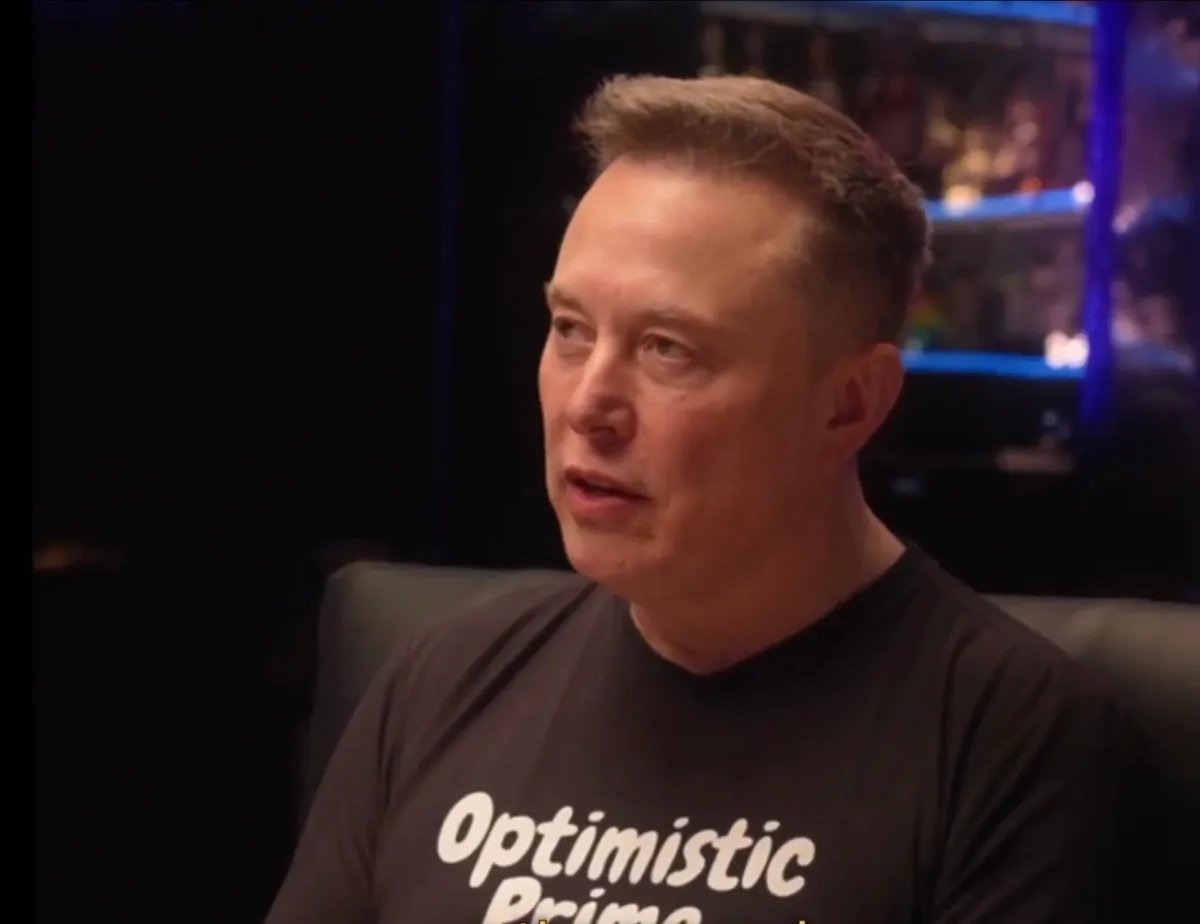
On the similar time, Elon Musk has began to flesh out the argument for orbital knowledge facilities in public. On a new episode of John Collison’s podcast “Cheeky Pint,” which additionally featured visitor Dwarkesh Patel, Musk laid out the essential case for transferring most of our AI computing energy into house. Primarily, photo voltaic panels produce extra energy in house, so you may lower down on one of many principal working bills for knowledge facilities.
“It’s more durable to scale on the bottom than it’s to scale in house,” Musk mentioned within the podcast. “Any given photo voltaic panel goes to provide you about 5 occasions extra energy in house than on the bottom, so it’s really less expensive to do in house.”
Shut listeners will notice that there’s a little bit of a spot within the logic right here! It’s true that photo voltaic panels produce extra energy in house, however since energy isn’t the one value in working an information heart and photo voltaic panels aren’t the one method to energy an information heart, it doesn’t observe that it’s cheaper to do the entire thing in orbit, as Patel famous within the podcast. Patel additionally raised issues about servicing GPUs that fail throughout AI mannequin coaching, however you’ll need to hearken to the complete episode for that.
Total, Musk was undeterred, marking 2028 as a tipping level 12 months for orbital knowledge facilities. “You may mark my phrases, in 36 months however in all probability nearer to 30 months, essentially the most economically compelling place to place AI shall be house,” Musk mentioned.
Techcrunch occasion
Boston, MA
|
June 23, 2026
He didn’t cease there. “5 years from now, my prediction is we’ll launch and be working yearly extra AI in house than the cumulative whole on Earth,” Musk continued.
For context, as of 2030, world knowledge heart capability shall be an estimated 200 GW, which is roughly a trillion {dollars}’ price of infrastructure once you’re simply placing it on the bottom.
After all, SpaceX makes its cash by launching issues into orbit, so all that is fairly handy for Musk — significantly now that SpaceX has an AI firm connected to it. And with the brand new SpaceX-xAI conglomerate headed for an IPO in only a few months, you may count on to listen to much more about orbital knowledge facilities within the months forward. With tech firms nonetheless pouring tons of of billions of {dollars} into knowledge heart spending annually, there’s an actual likelihood that not all the cash will stay earthbound.
Correction: An earlier model of this submit misidentified the host of Cheeky Pint. TechCrunch regrets the error.
Thanks for studying! Be part of our neighborhood at Spectator Daily