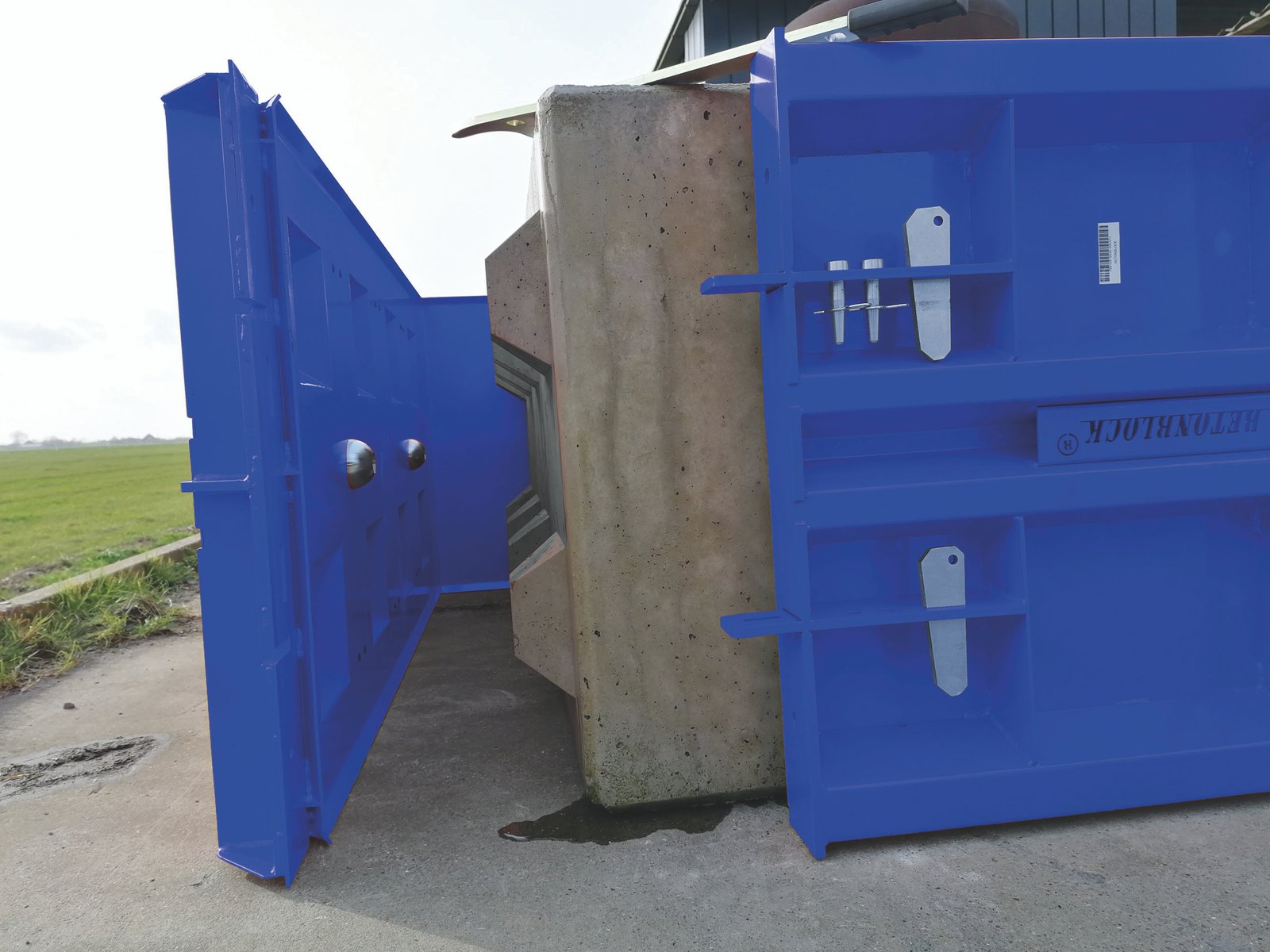
For many years, concrete block types, also referred to as concrete masonry models (CMUs), have been a mainstay in building. Usually related to utilitarian buildings, they’ve been overshadowed by flashier supplies like metal and glass. Nonetheless, a more in-depth look reveals a surprisingly versatile and progressive materials that’s pushing the boundaries of recent structure.
The Versatility of Concrete Block Types in Building
The fantastic thing about concrete block types lies of their inherent practicality. Corporations like betonblock manufacture them from a mix of cement, aggregates and water, which presents a number of benefits:
- Energy and Sturdiness: Concrete blocks boast unbelievable energy, making them very best for load-bearing partitions, foundations and retaining partitions. Their sturdiness ensures buildings can stand up to harsh climate circumstances and stand the take a look at of time.
- Price-Effectiveness: In comparison with different constructing supplies, concrete blocks are a budget-friendly choice. This makes them notably engaging for large-scale tasks or these in search of cost-efficient options.
- Fireplace Resistance: Concrete is of course fire-resistant, offering a further layer of security in buildings. This property makes them a most popular alternative for firewalls and different essential constructing elements.
- Sound Insulation: The dense nature of concrete blocks successfully absorbs sound, making them very best for creating soundproof partitions inside buildings.
- Sustainability: Concrete block manufacturing makes use of available supplies and presents glorious longevity, lowering the necessity for replacements. Moreover, concrete itself could be recycled and reused, minimizing environmental influence.
Past these core advantages, concrete block types provide a stunning diploma of design flexibility. Blocks are available a wide range of shapes, sizes and textures, permitting architects to create distinctive patterns and textures on constructing facades. Moreover, developments in manufacturing have led to the introduction of coloured blocks, opening doorways for extra vibrant and expressive designs.
Improvements Enhancing Concrete Block Types
The development business is consistently evolving, and concrete block forms aren’t any exception. Listed here are some thrilling developments shaping the way forward for this materials:
- Precast Concrete Blocks: Precast concrete blocks are shaped off-site in managed environments underneath strict high quality management measures. This ensures constant high quality and reduces building time on the constructing web site.
- Glass Fiber-Strengthened Concrete (GFRC) Blocks: GFRC blocks incorporate glass fibers into the concrete combine, leading to lighter but stronger blocks. This enables for thinner partitions and extra intricate designs whereas sustaining structural integrity.
- Insulated Concrete Types (ICFs): ICFs are hole concrete blocks pre-filled with insulating materials. This progressive strategy combines the structural advantages of concrete with superior thermal insulation properties, resulting in extra energy-efficient buildings.
These developments, coupled with the inherent advantages of concrete block types, are making them an more and more engaging alternative for architects and builders alike.
Inventive and Useful Functions
Concrete block types are transcending their industrial roots and discovering their approach right into a wider vary of architectural purposes. Listed here are some inspiring examples:
- Colleges and Public Buildings: The uncooked, textured aesthetic of concrete blocks can create a contemporary and purposeful really feel for colleges and public buildings. Rigorously designed block patterns can add visible curiosity to giant expanses of partitions.
- Residential Structure: Architects are using concrete blocks to create gorgeous and energy-efficient houses. Uncovered concrete partitions can introduce a heat, industrial really feel to residing areas, whereas strategically positioned air flow blocks can promote pure air circulation.
- Landscaping and Public Artwork: Concrete blocks can be utilized to create retaining partitions, planters and even sculptures, including a contact of recent magnificence to outside areas.
These examples showcase the potential of concrete block types to be not simply purposeful constructing supplies but in addition design components that improve the aesthetics and performance of a construction.
Challenges and Future Prospects
Regardless of the numerous benefits, concrete block building faces some challenges. The load of concrete blocks could make them troublesome to deal with, requiring cautious planning and doubtlessly specialised gear for big tasks. Moreover, conventional concrete block aesthetics could be perceived as chilly or industrial, requiring a eager eye from architects to combine them seamlessly right into a design.
Nonetheless, the way forward for concrete block types seems vibrant. As improvements proceed to enhance their efficiency and aesthetics, we are able to count on to see them employed in much more inventive and sustainable methods. With a deal with prefabrication, lighter supplies and built-in insulation, concrete block types have the potential to change into a number one materials in fashionable, eco-conscious building.
In conclusion, concrete block types provide a novel mix of practicality, design flexibility and affordability. By embracing developments in manufacturing and building strategies, architects and builders can unlock the complete potential of this versatile materials, shaping the way forward for sustainable and visually putting buildings.
Thanks for studying! Be a part of our group at Spectator Daily