![Is the Android we once knew slowly getting eroded? [Video]](https://spectatordaily.com/wp-content/uploads/2026/03/1773592223_Is-the-Android-we-once-knew-slowly-getting-eroded-Video.jpg)
Android is in an odd place in the intervening time; it’s arguably stronger than ever, however feels additional away from the platform that launched nearly 20 years in the past. What modified?
The previous Android panorama nearly felt just like the wild west. A platform the place something goes, any kind issue might be made, wacky issues have been happening, however currently, it feels just like the wild west is being fenced in, paved over, and became a sterile retail park that appears suspiciously like what existed over on Apple’s land. It begs a fairly heavy query: Is Android truly dropping its soul?
For more video content, subscribe to 9to5Google on YouTube.
Copying and converging design rules
The obvious signal that one thing is shifting will not be solely within the {hardware} however, extra lately, in software program design.
For a very long time, Android manufacturers took delight in being totally different. We’ve had wacky shapes, experimental options, and software program skins that appeared nothing like what Apple was doing. However have a look at the newest crop of updates particularly. We’re seeing an “iOS-lite” design language proliferating and changing into the brand new customary.
I’ll say that {hardware} design isn’t as a lot of a problem for many Android makers now, however there are manufacturers that also favor Apple traits, or at the very least replicate the iPhone wherever potential. Google has completed it, Oppo has completed it, Honor has completed it, and even Samsung isn’t protected from just a little copying of Apple’s design rules or materials finishes.
Whereas that’s a grievance, it’s true that flat rails and rounded corners make for higher usability most often. Remixing the design and form has made for an exponentially better-feeling slab, positive, nevertheless it’s one more prime instance of refinement over redefinement. There are solely so some ways you can also make a cellphone when it’s principally display screen with a digicam slapped on the again.
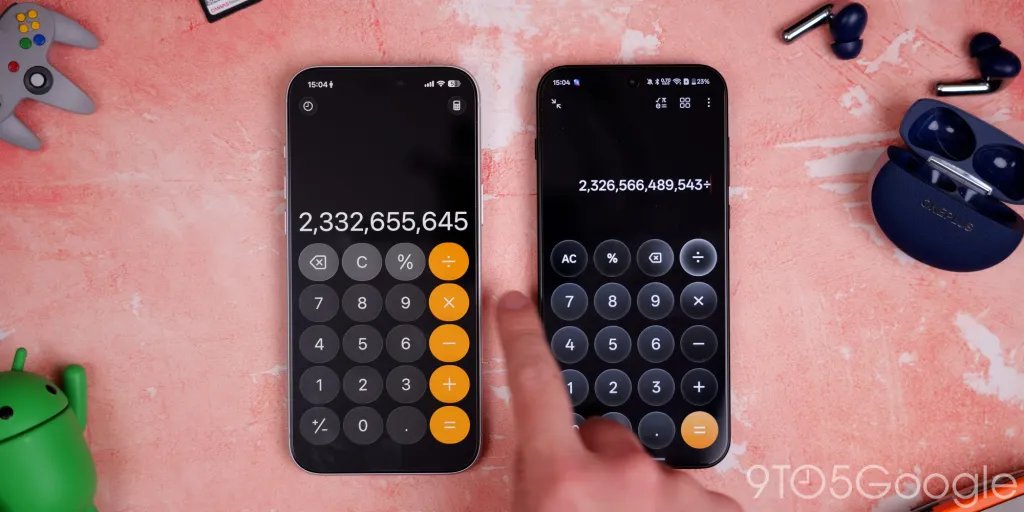

My greatest private gripe is the U-turn from virtually all third-party Android makers on software program skins. Whereas there have all the time been some hangovers, it feels that many who used to have fun Materials Design and Google’s particular aesthetic are leaning closely again into iOS-like traits.
We’re seeing extra blur results, related notification tray layouts, and a basic transfer towards a “refined” look that feels much less like Android and extra like a replica of Cupertino’s homework. Probably the most egregious copycats of Liquid Glass parts nearly throw out all the good work completed in recent times, chasing an objectively dangerous software program design pattern.
Google is clearly pushing to transform iPhone individuals over to Pixel by making the {hardware} really feel acquainted to make that change straightforward and painless. If Google is pushing to transform iPhone individuals over to Pixel, it does make sense to have that acquainted really feel, however whereas that’s good enterprise, it appears like we’re dropping that little bit of “weirdness” that made Android particular within the first place. To Google’s credit score, Material 3 Expressive continues to be probably the most distinctive experiences on cell – and lengthy could it proceed.
A shrinking taking part in discipline with fewer gamers
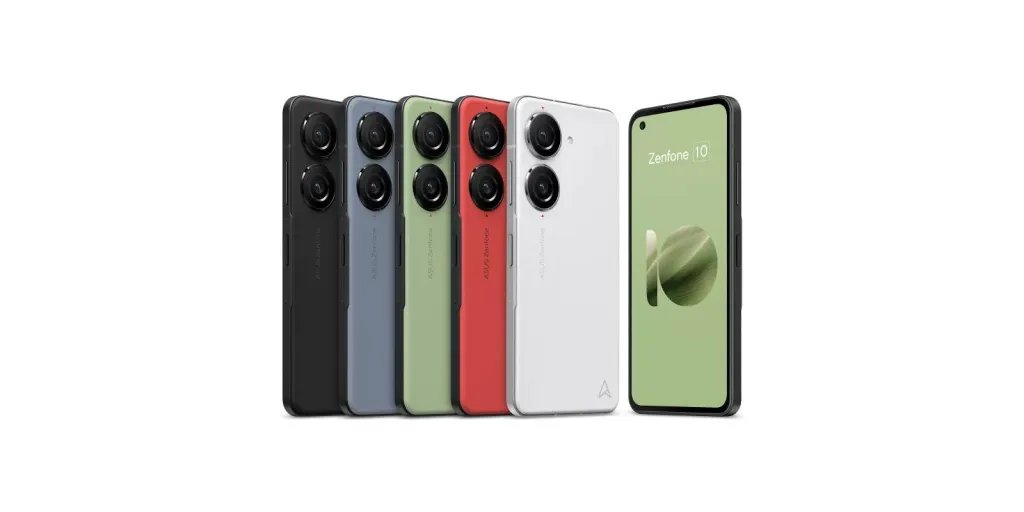
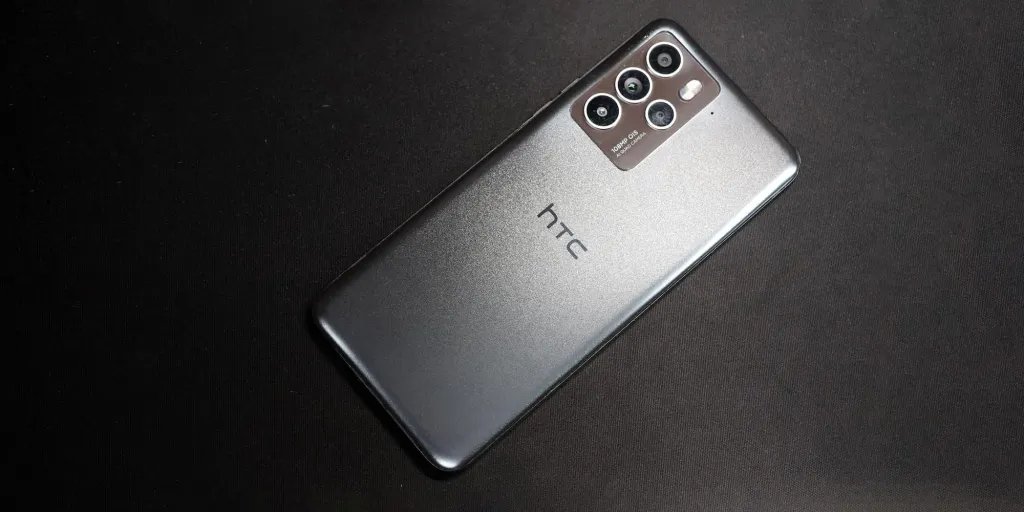
Then there’s the problem of the gamers leaving the house. In my thoughts – perhaps from somebody who has been within the trade for a very long time now – the Android shopping for panorama was once crowded and chaotic in a unbelievable approach.
Now, in lots of markets across the globe – with a couple of exceptions – there are actually solely two huge gamers: Samsung and Apple. If you have a look at the information, Samsung completely dominates the Android house, accounting for almost 1 in 4 Android phones sold. However we all know that one of many greatest enemies of progress is complacency.
Personally, I believe that with out Huawei, we’ve seen Samsung settle much more with no direct competitor in its weight class to really hold the corporate on its toes. At one level in late 2020, earlier than the bans actually kicked in, Huawei briefly shipped extra handsets than Samsung.
So, since then, it appears like Samsung hasn’t actually had a real competitor to successfully power the corporate to innovate or do issues to distinguish itself on a extra common foundation. There are exceptions to that generalisation, however for probably the most half, the Korean model is slower to maneuver now.
On the threat of but extra hyperbole, I believe when the market consolidates into simply a few “protected” choices, the soul of the platform type of begins to wither, or at the very least the driving power for innovation is diminished. It’s just like the UK excessive road being taken over by the identical three espresso chains; you lose the character that made going out for a espresso even value it. It appears like every little thing is simply swill with the label modified.
I do know, I do know, that’s harsh, given we do get a gem every so often, however these are few and much between. It’s not usually an Android cellphone blows most individuals away. Nonetheless, a few of that is because of how competent most merchandise are at present. The edge for what’s going to “wow” is approach larger. So in some methods it’s not an indictment of what we now have now, extra of the place we now have come from.
The tip of “tinkering” with our telephones
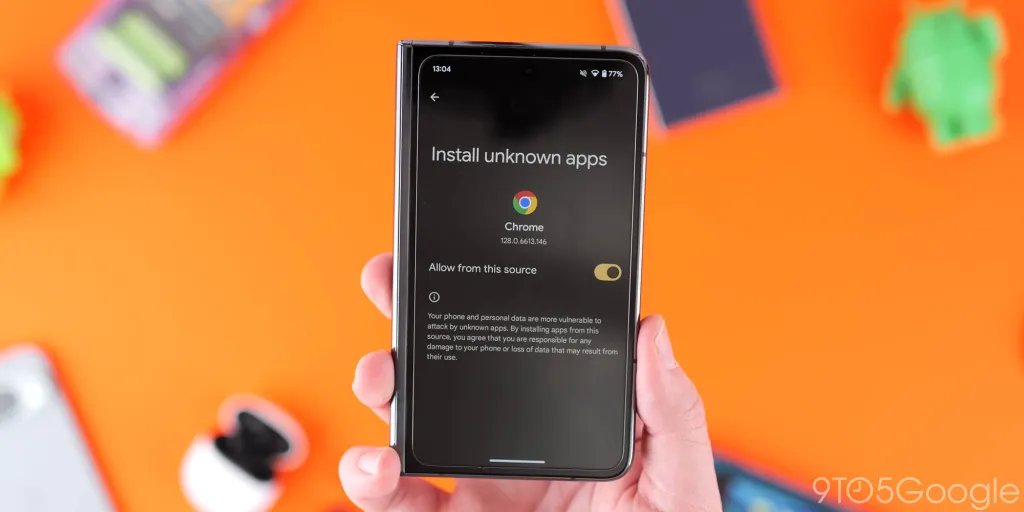
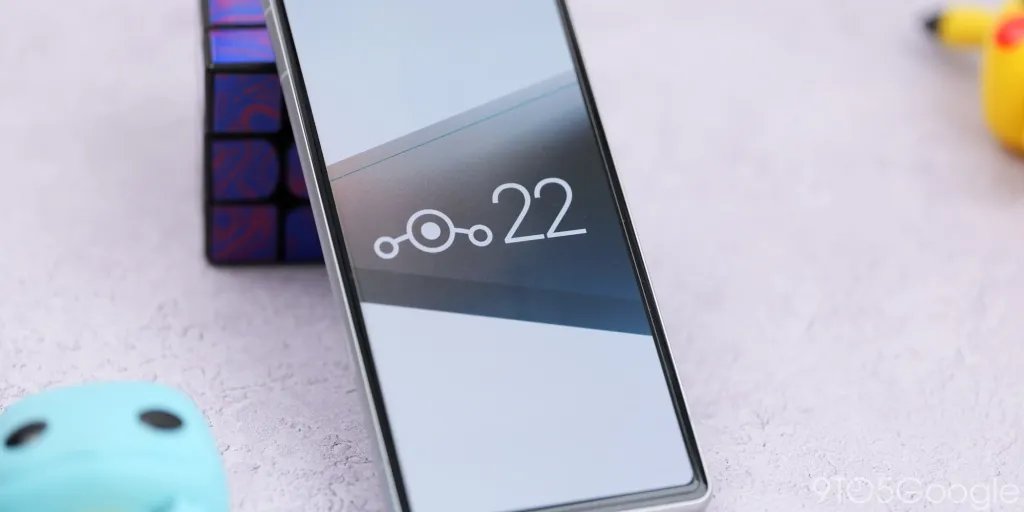
There are fewer causes to fiddle with our telephones or deviate from the “inventory” expertise now for varied causes. That stated, one key element that also works extremely effectively has been below risk as of late.
On account of various forces at play, we’re seeing a sluggish however regular diminishing of sideloading, which feels to many like an assault on the “open” nature of the OS. For the longest time, the flexibility to simply seize an APK and set up no matter you needed has been a trademark of Android.
To me, it has all the time felt like the final word “it’s my system” characteristic. I can set up third-party shops, get wonderful open supply apps, and even get app updates earlier than they roll out by way of the Play Retailer. However below the guise of safety, it’s changing into more durable and extra “scary” for the typical person to do that.
It appears like Google is including extra hurdles and warnings that make sideloading really feel like a “nefarious” shortcut quite than one thing that, most often, is completely fantastic regardless of some dangers. It feels a bit like being informed you possibly can’t tinker with your personal automotive engine as a result of the producer has determined to bolt the bonnet or hood shut on your personal security.
Regardless of all of this, Google says that sideloading isn’t “going anyplace.” As a substitute, the corporate is “making sideloading safer.” The jury continues to be out on this, nevertheless it’s apparent that the messaging must be clearer, given the outcry over modifications set to be made in future Android releases.
Compounding that is the truth that customized ROMs are dropping entry to key elements of AOSP in a well timed method. The fanatic group, which accurately constructed the “true soul” of Android within the early days, is being sidelined.
As Google strikes an increasing number of options out of the open-source base and into proprietary Google Play Providers, the “Open” in Android Open Supply Mission feels prefer it’s being written in a smaller and smaller font. We’re transferring away from the unique software program paradigm, and the liberty to really personal your software program is being traded for a extra managed, “curated” expertise.
Sure, most often, this implies issues look and work nicer, however is {that a} justification for a few of these modifications? Once more, the jury is out.
Is AI changing into an issue for the “previous” Android?
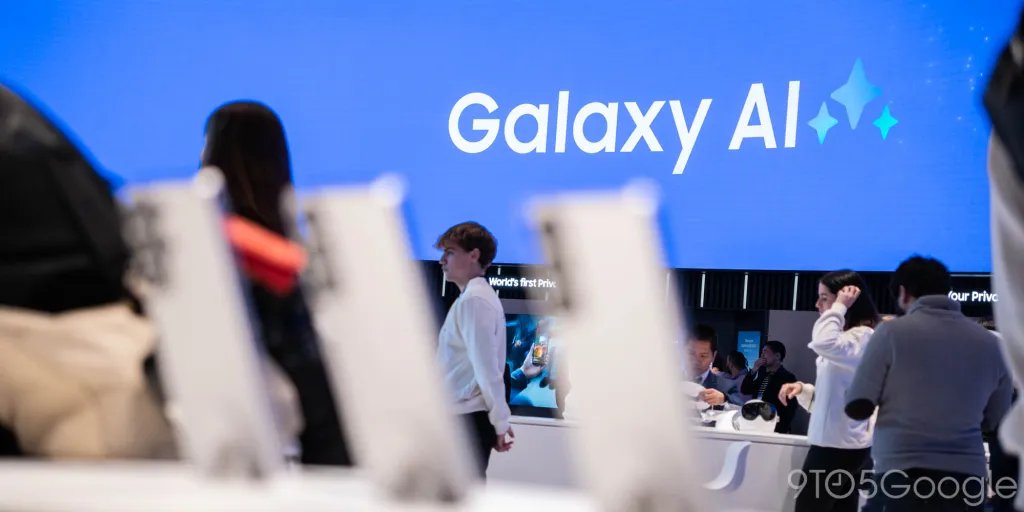
After which there’s the elephant within the room: AI. It’s taking up every little thing, and though many facets are nice, I really feel prefer it’s a instrument that you should use a bit, just like the Pen instrument in Photoshop, nevertheless it appears like AI is getting used to paper over some fairly cracks within the cell expertise.
In some methods, this shift to latch on to AI makes lots of sense.
Let’s face it, your cellphone now, at its core, in all probability doesn’t do a lot in a different way than say, 7 or 8 years in the past. Except you have got a foldable cellphone— and honest play to you when you do — you in all probability run the identical suite of purposes you have got had since day one: Chrome, Instagram, YouTube, perhaps the odd sport, and a few messaging apps; I’d wager I’m not too far off what 99.9% of individuals do day-to-day. The app paradigm hasn’t shifted, and the wholesale Android performance modifications that have been widespread yr over yr have lengthy since been a factor of the previous.
It’s extremely possible that as a result of {hardware} and software program innovation have slowed down drastically, AI is being shoehorned into each space as a strategy to entice individuals to improve their telephones.
On the Pixel, that is particularly pronounced. Advertising has shifted to emphasise Gemini over the precise issues that make Google telephones compelling. Rightly or wrongly, Android isn’t actually getting used as a promoting level anymore, regardless of some substantial visible modifications led to by the Materials 3 Expressive overhaul.
Gemini’s capability to be ubiquitous and deeply built-in into the instruments we use every day is Google’s huge play for dominance. They’ve the money and runway to successfully bleed the competitors dry. However as we commerce the distinctive, customizable, and open nature of Android for a extra “built-in” and “clever” expertise that appears and appears like every little thing else, I can’t assist however surprise if the trade-off is value it.
Nonetheless, within the context of a smartphone, sure, some issues are nice, like screenshot organisation, name screening, stay translations, however past that, it usually appears like bloatware with a elaborate new identify.
A mature, perhaps muted future for Android
I’m not saying Android is useless — removed from it.
That stated, within the early days, the “soul” of Android was all the time about being the choice, the tinkerer’s dream, and visually distinct from iOS. It was the platform that did issues in a different way.
Because it turns into extra “ubiquitous” and “built-in,” it runs the chance of changing into simply one other “protected” utility, about as thrilling as a brand new model of dishwasher. Whether or not you prefer it or not, the longer term is AI-driven, and perhaps the tech giants realise they may want one another to remain on the high of the mountain. You may see this with Apple partnering with Gemini, extra cross-platform performance, and Cupertino at the very least not inhibiting Google like in years prior.
It’s an fascinating time, and whereas there are vibrant sparks within the platform I dearly love, I’m curious to see if the “inexperienced bubble” will ultimately simply grow to be a barely totally different shade of blue.


FTC: We use revenue incomes auto affiliate hyperlinks. More.
Thanks for studying! Be part of our group at Spectator Daily










![Is the Android we once knew slowly getting eroded? [Video]](https://spectatordaily.com/wp-content/uploads/2026/03/1773592223_Is-the-Android-we-once-knew-slowly-getting-eroded-Video-120x86.jpg)