




Article content
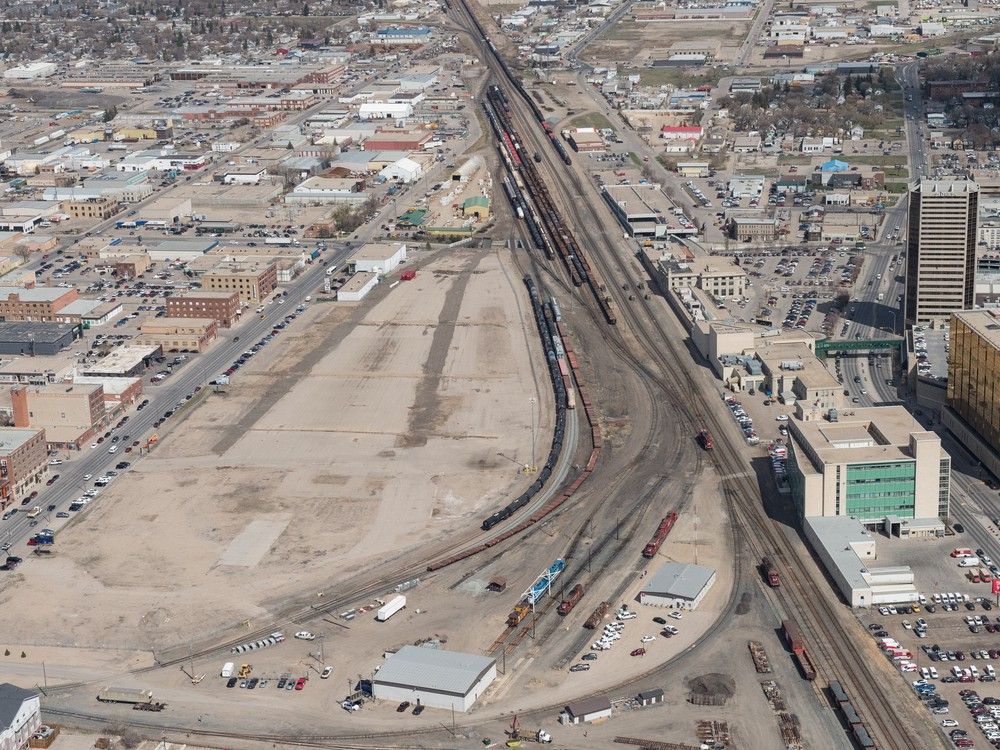
In Regina’s case, “tight supply is affecting everything across all price ranges,” says Hudy.
Article content
That supply comprises resold properties and new builds. Options range from apartments and townhouses to semi-detached and fully detached homes of one or two storeys.
Article content
The margin between interested purchasers and the number of homes ready for purchase has been narrowing over the past two years in Regina, says the SRA.
Article content
For example, if no new listings were posted, it’s estimated that the current supply would be depleted in only two months, based on SRA’s data.
Article content
Hudy says a comfortable housing market would have enough inventory to accommodate demand for a period of three to five months. But the last time Regina’s market had that level of supply was back in 2023.
Article content
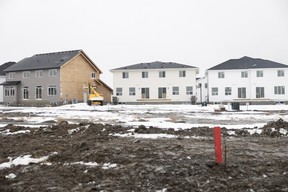
Developers have been keeping just ahead of what they believe buyers need, according to Stu Niebergall, CEO of the Regina and Region Home Builders’ Association (RRHBA).
Article content
Article content
Over the past year, the average number of unsold single family homes in Regina each month ranged from 20 to 25, which Niebergall says is an “exceptionally low number.”
Article content

Article content
Will rising costs deter new builds?
Article content
The RRHBA publishes an annual home building forecast by collecting data from its members and various housing statistics.
Article content
Although the next report is not yet completed, Niebergall says the information points to housing starts being down in 2026 compared to this year, meaning fewer homes in the pipeline.
Article content
This year, housing starts were tallied at 1,600-1,700. Niebergall projects next year’s number at around 1,200-1,500.
Article content
General inflation and other rising costs can impact home builders before trickling down to consumers. Part of what’s deterring developers is an anticipation of public policy revisions, says Niebergall, who notes that the industry is waiting on proposed changes to building codes in the new year designed to lower greenhouse gas emissions.
Article content
Article content
Meanwhile, Saskatchewan’s Build Schools Faster Act was passed in November with the intent to streamline land acquisition for schools. It’s another factor which the RRHBA thinks will drive land prices up by two per cent.
Article content
The City of Regina may also introduce a development charge on construction, says Niebergall, adding that “death by a thousand cuts” will affect costs next year.
Article content
“When you stack all these changes and all these unknowns, that’s what creates an environment where the industry will make decisions that are more short term because they don’t know what the long-term risk is.”
Article content
Article content
Canada’s ‘hottest market’
Article content
A housing outlook from Toronto-Dominion Bank, released in October, characterizes Saskatchewan as having “taken the mantle as the hottest housing market in the country.”
Article content
TD’s report says population gains and “robust job growth” are contributing to greater demand for home purchases, which leads to higher prices.